
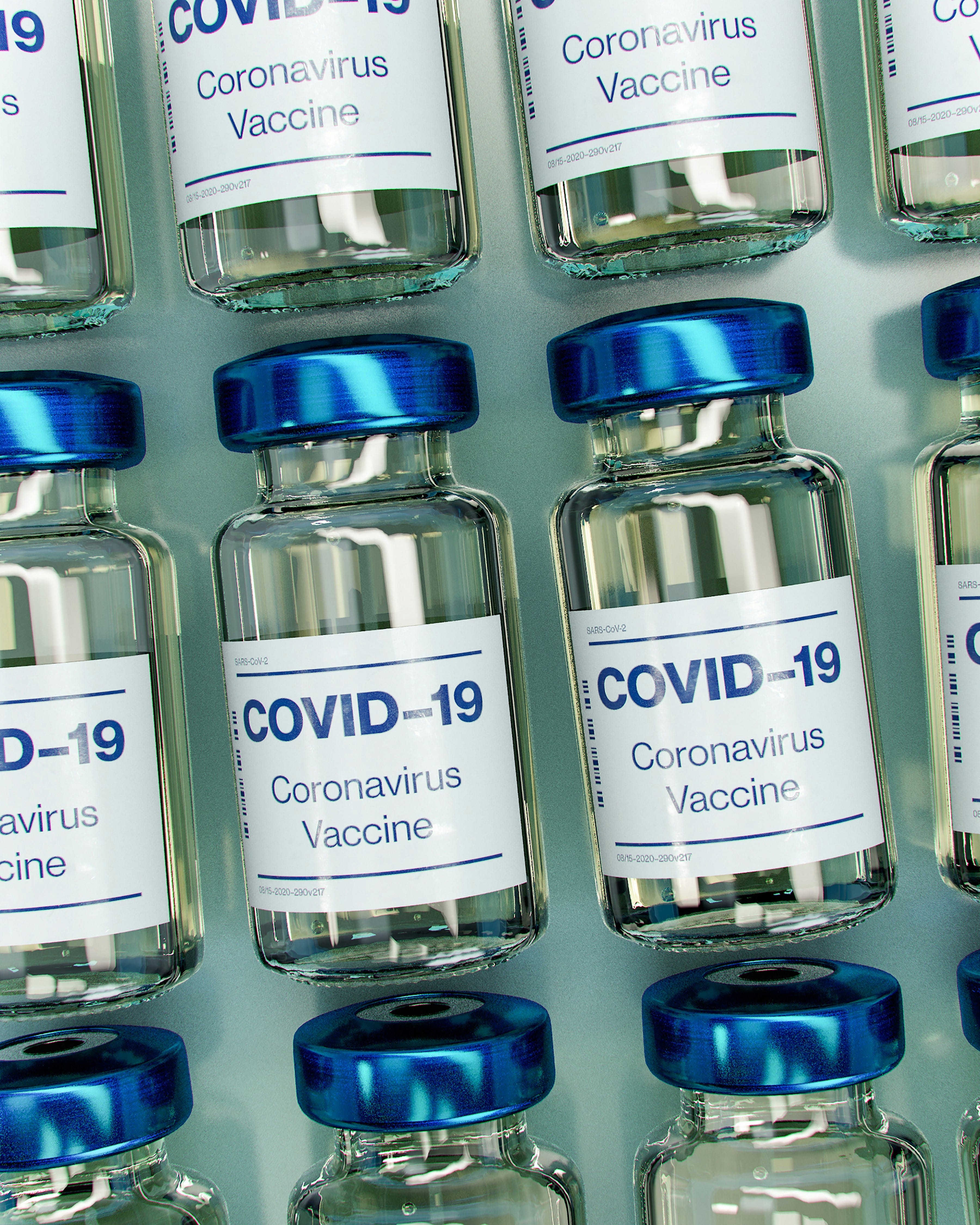
Every winter, populations experience a rise in viral illnesses, particularly those cause by respiratory viruses (common cold, flu). These infections are often mild and do not lead to hospital admission.
This year, there is concern about a potential “quademic”.
Doctors are concerned about a possible four-pronged threat this winter. Covid-19 has not gone away - two new strains have been identified and cases are rising - and influenza (flu) is always a winter threat. Add to these a rising incidence of respiratory syncitial virus (RSV) and the ever-present colds and gut viruses such as norovirus, the potential to put strain upon the provision of healthcare is clear.
One of the problems is that the symptoms of flu, COVID-19, and RSV overlap (fever, cough, tiredness), making diagnosis tricky. Some people can even catch two viruses at once.
Each of these “prongs” has the capacity to cause serious illness, especially in older adults, pregnant women, young children, and people with long-term conditions, sometimes necessitating hospital admission. An increase in the number of patients requiring admission to hospital will put strain on the health services with potentially a knock-on effect causing delays in treatment for people with less urgent conditions.
It is our duty to do what we can to reduce this pressure on the healthcare system.
Fortunately, there are effective vaccines available. The NHS offers free vaccines to help protect against flu, COVID-19, RSV, and pneumococcal infections for specific patient groups. Those eligible for the vaccines should take advantage of their availability, unless there is a medical contraindication.
Update on Coronavirus recommendations UK Autumn 2025
Coronavirus cases are increasing substantially as new strains of the virus are spreading. Updated mRNA vaccines that match recent strains are available to help to maintain protection as immunity fades and the new variants appear. It is recommended that those in at risk groups have this vaccination to reduce the chance of contracting COVID, or to reduce the severity of the disease.
This year, the autumn/winter COVID-19 vaccination programme is more focused (i.e. not mass population boosters as before). This is causing some concern among advocates for those with chronic lung, heart, kidney or neurological disease.
The groups eligible in 2025 include:
All adults aged 75 years and over
Residents in care homes for older adults
Persons aged 6 months and over who are immunosuppressed (due to health condition or treatment)
So unlike in previous years, the booster is not universally offered to all adults — it’s targeted.
Influenza.
Influenza (flu) is a problem every winter, and can cause serious illness. In fact, the flu season extends fro September to March and vaccination is available throughout this period.
The Influenza virus undergoes changes every year. Because of this, yearly vaccination is recommended.
The vaccine is given by nasal spray for most children and injection for adults.
Who is eligible for the vaccine?
Everyone aged 65 and over
Pregnant women
People with long-term conditions, such as asthma, diabetes, heart, kidney, or liver disease
Carers and frontline health or care workers
Living in a care home or long-stay residential facility
Living with someone with weakened immunity
Children aged 2 to 11 years
Respiratory Syncytial Virus (RSV)
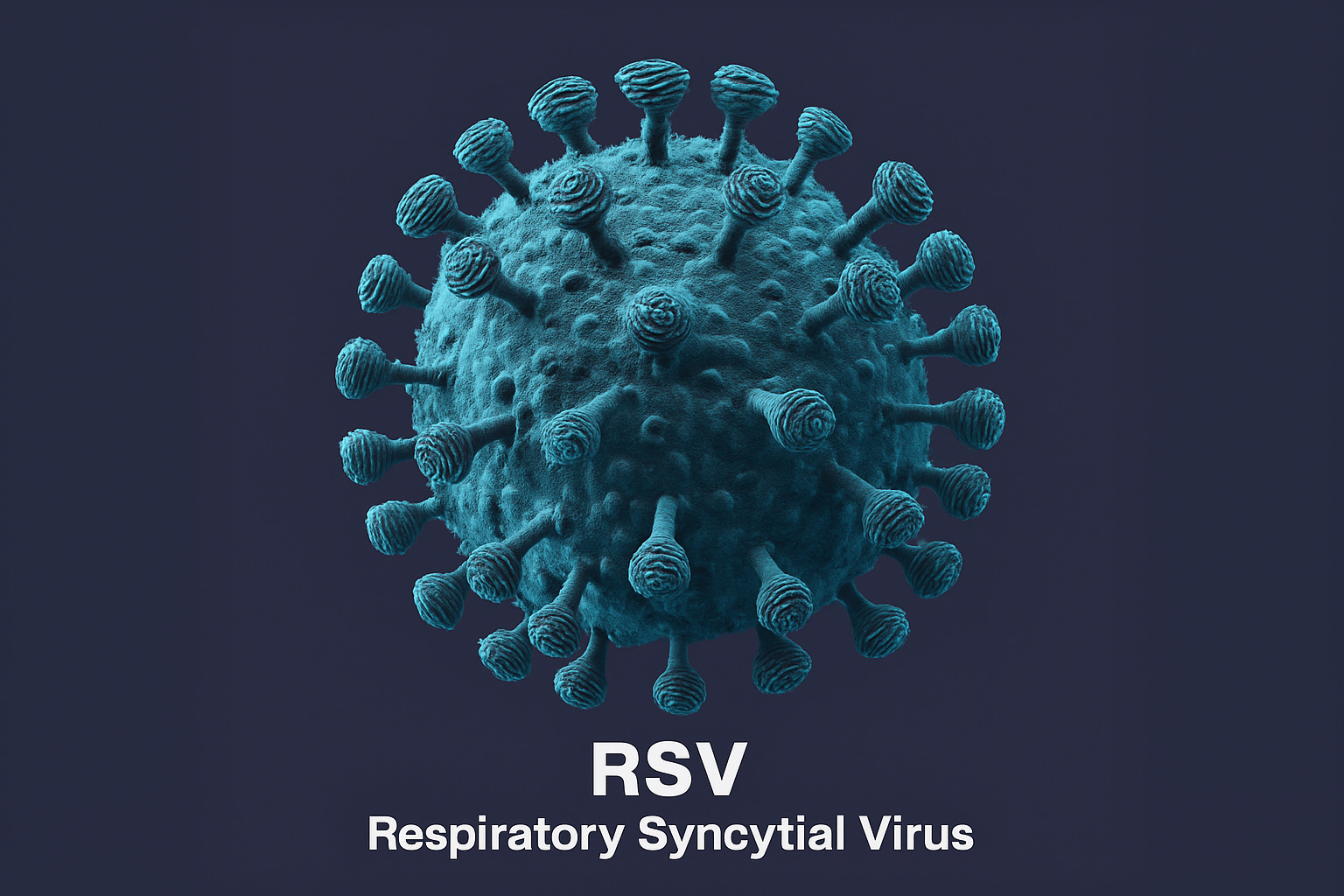
RSV can cause serious illness at both extremes of life and in people with weakened immune systems.
In infants, it can cause bronchiolitis, a very serious condition, and in the elderly and immunocompromised it can cause pneumonia. In between, it is a cause of the common cold.
In the UK, the vaccine is offered to pregnant women and the elderly. It is not yet offered to those with weakened immunity as clinical trials are still on-going.
For pregnant women, a single dose is given preferably between the 28th and the 32nd week of pregnancy. The confired immunity is passed to the infant through the placenta. This vaccine needs to be repeated in each subsequent pregnany.
The vaccine is also offered to those of 75 years or over. At the moment, it is a one-time dose.
The Nobel Prize in Medicine
The 2025 Nobel Prize in Medicine went to three scientists who discovered how the immune system stops itself from attacking the body. Their work should lead to better understanding of autoimmune diseases and of cancer treatments.
It might also inspire ways of treating the autoimmune catastrophes that overwhelm the body in severe infections and injury, and could pave the way for new drugs that calm an overactive immune system (like Rheumatoid and Lupus) — or boost it when fighting cancer.
Weight-Loss Drug Protects the Heart
The drug semaglutide, also known as Wegovy or Ozempic, not only helps people lose weight — it also cuts the risk of heart attack or stroke, even if little weight is lost.
As the protection is seen even in those who do not lose much weight, the drug appears to protect the heart in other ways, perhaps by lowering inflammation or improving blood vessels.
A New Hope for Blindness
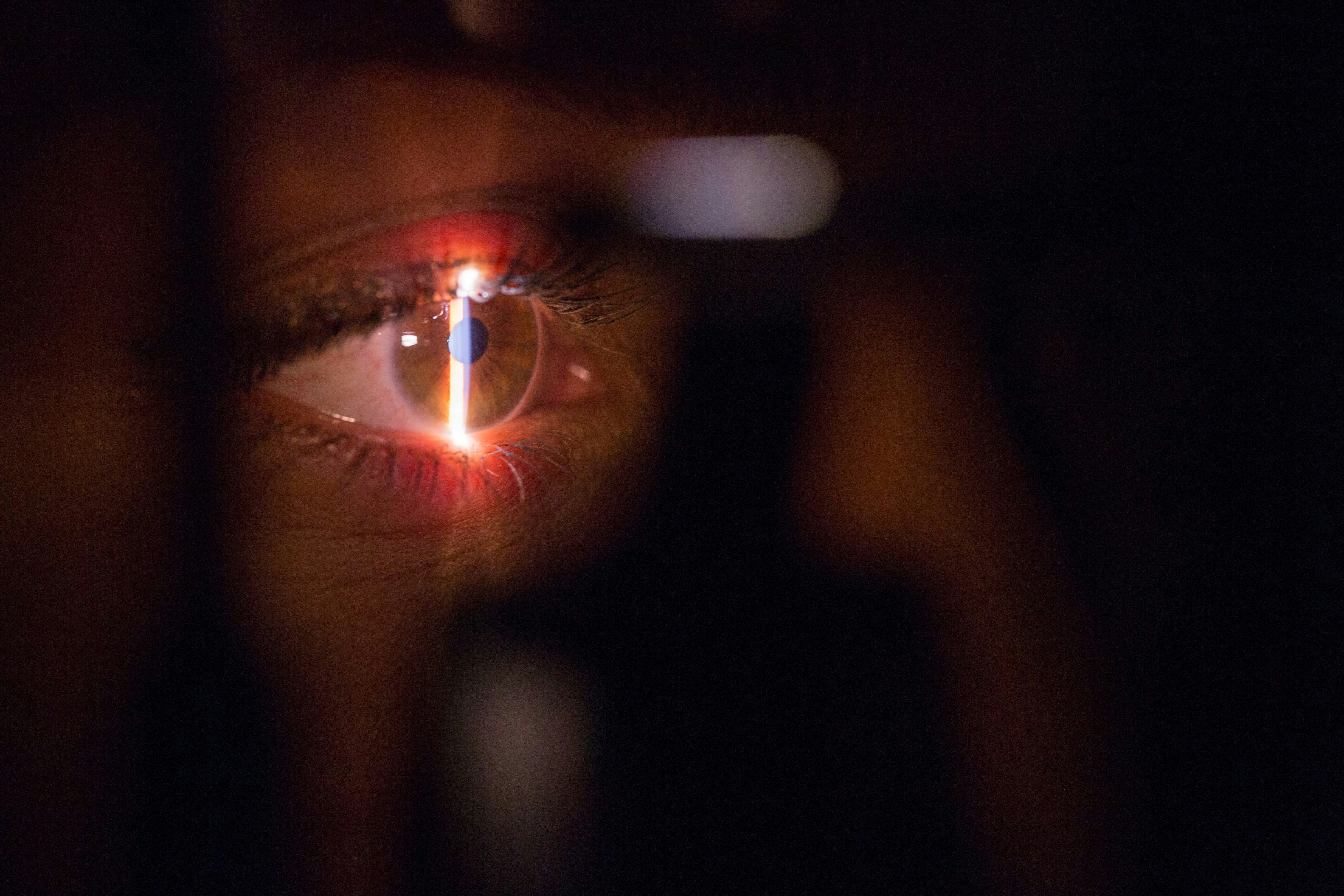
Doctors have tested a small retinal implant that allowed some people with age-related blindness to read again.
The implant is placed in the retina of patients with dry Age-related Macular Degeneration (dry AMD) and early results of the trial are promising.
It must be emphasised that the trial is in its very early stages and to future benefit, and costs, of this technology are not clear. However, it does provide hope for a condition previously considered to be untreatable.
UK Dementia Research Spur
A UK government-backed initiative has launched a research challenge aimed at speeding up diagnosis, early detection and treatment of dementia by 2029. Earlier diagnosis of dementia will allow more effective management, and new treatments, if effective, would be extremely welcome.
Earlier diagnosis can also help shed light onto the risk factors, such as vascular disorders, pollution, infection, and toxins, involved in the disease processes of dementia.
Avian Flu Update
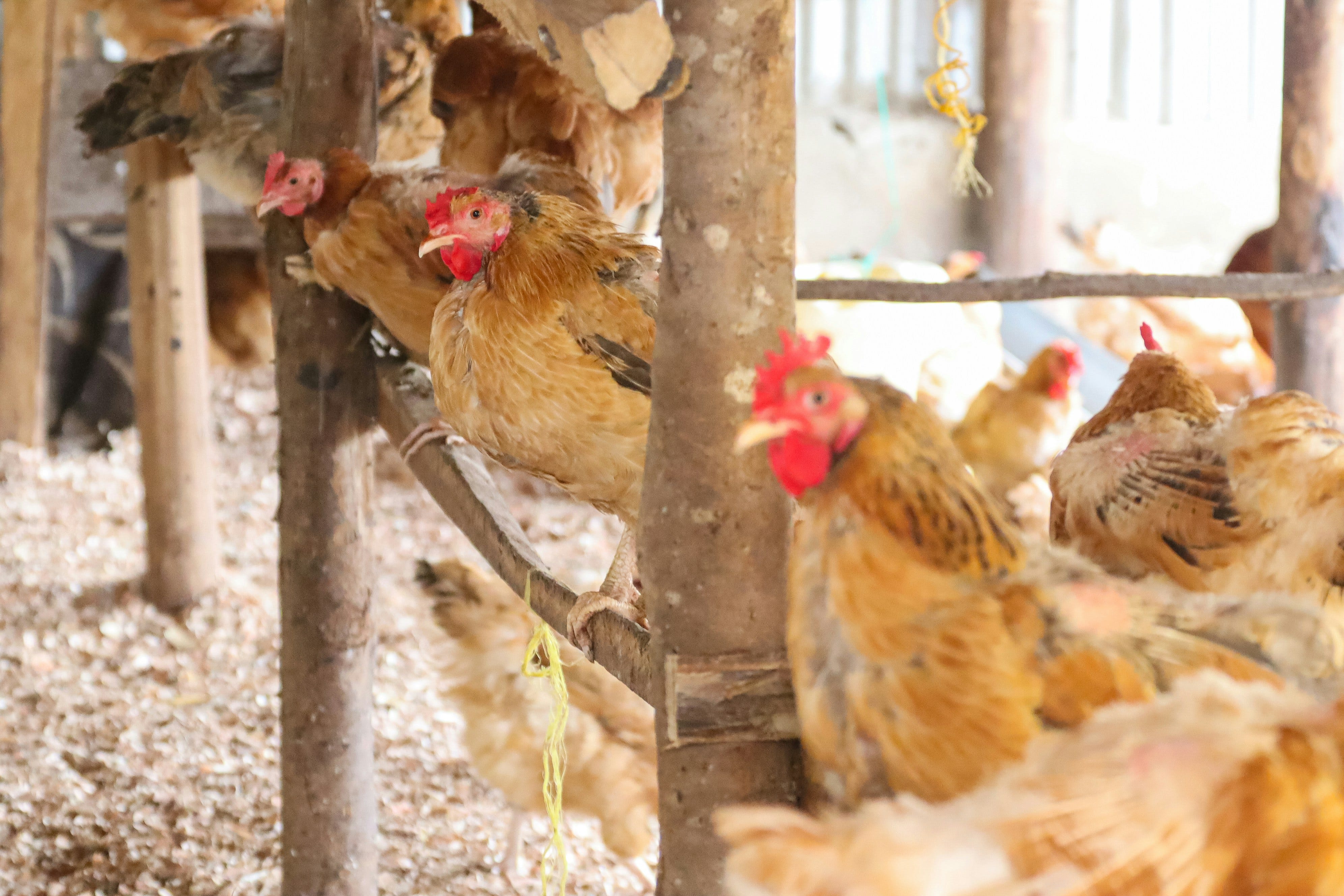
The potential threat of Avian Flu remains a concern.
To date, there has been one case of Avian flu (H5N1) in humans in England and one in Northern Ireland.
However, the risk to humans remains very low in the UK. The risk is still confined to people with direct exposure to infected birds or animals, or work in a contaminated environments. This includes poultry workers, workers in infected premises, wildlife handlers, and others with unprotected close contact. There have been no cases of human to human transmission of the virus, so an epidemic remains unlikely.